
Tag Archive for: severance

You’ve Been Let Go or Treated Unfairly: What to Say, Do, and Document

Losing your job—or facing unfair treatment—can be overwhelming. But what you say and do next can protect your rights. Here are the essentials: how to document what’s happening, what to say during termination, and how to approach a severance agreement.


1. Start Documenting Immediately

If you’re dealing with discrimination, retaliation, or a sudden termination, begin documenting right away. Clear, dated notes are enough.

Include:

  • What happened: Key incidents, dates, times, and people involved.
  • What was said: Exact quotes when possible.
  • Witnesses: Anyone who saw or heard the events.
  • Evidence: Save emails, texts, reviews, policies, and screenshots.

Good documentation strengthens your credibility and creates a clear timeline.

2. What to Say (and Not Say) When You’re Fired or Pressured to Resign

If you’re terminated or pushed out, stay calm. Don’t argue, admit fault, or sign anything on the spot.

Do say:

  • “Can I receive the reason for my termination in writing?”
  • “I’d like time to review any paperwork before signing.”
  • “I’ll follow up with questions after I’ve had time to process this.”

Don’t say:

  • “I guess I deserved this.”
  • “I’m going to sue you.”
  • “Fine, I quit.”

In Minnesota, you can request a written reason for your termination, and the employer must provide it within 10 working days.

3. Should You Sign a Severance Agreement?

A severance package often requires you to give up legal claims. Before signing:

  • Read carefully: You may be waiving rights related to discrimination, retaliation, or unpaid wages.
  • Look for restrictive clauses: Non-disparagement or non-rehire terms can limit your options.
  • Check your timeline: Workers 40+ must be given at least 21 days to review and 7 days to revoke. Even if younger, you don’t need to sign immediately.

Severance is often negotiable—especially if you were treated unfairly. Talk to an employment lawyer before signing.

Final Thoughts

If you’re let go or mistreated, pause before reacting. Document everything, don’t sign under pressure, and understand your rights. Getting fired doesn’t erase your protections—in many cases, it’s when they matter most.

If you want help reviewing your options, contact our firm and we will see if we can help.

I received a severance agreement, should I contact an employment lawyer?
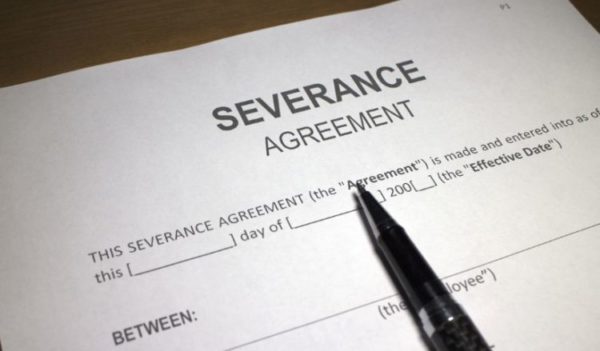
As lawyers representing employees, we are often asked when it is a good idea to have a lawyer review a severance agreement. The short answer is: almost always.

First, any severance agreement that releases legal claims (virtually all of them do) requires an employee to know whether they have any legal claims that they are giving up by signing the agreement. It is impossible to know the value of what you may be giving up without having a thorough evaluation of potential legal claims.

Second, most severance agreements are not clearly written and require employees to waive or limit rights that employees may not even understand. Frequently, severance agreements seek broad restrictions on the right to seek employment at other companies, to speak openly and truthfully, to pursue administrative claims, or to assist others who may seek legal action against a former employer, just to name a few examples. These terms limit the rights that employees otherwise freely enjoy.

Third, initial severance offers are frequently just that—an initial offer. Employers may be willing to negotiate the severance amount or offer other terms in addition to separation pay. The potential for negotiating terms of a severance agreement (including the total monetary payout) is well worth seeking sound legal advice.

The expertise of an experienced employment lawyer is valuable in understanding all of the terms in a separation agreement as well as in deciding how to respond to a severance offer. Nearly every severance agreement includes language that the employer encourages the employee to seek consult an attorney. That language exists for a reason. You can be assured that the company was advised by a lawyer; do not miss the opportunity and to seek sound legal advice of your own.

You must also act quickly, because nearly every severance offer has a time limit upon which an employer may withdraw the offer.

If you have received a severance agreement or have questions about your employment or separation from employment, contact Teske, Katz, Kitzer & Rochel today.
